

On September 27, India disclosed that Pakistan’s military pleaded for a cessation of fighting during the crucial Operation Sindoor. This operation came about in response to rising tensions following recent attacks. India firmly stated that there is no room for third-party intervention in any matter concerning New Delhi and Islamabad.
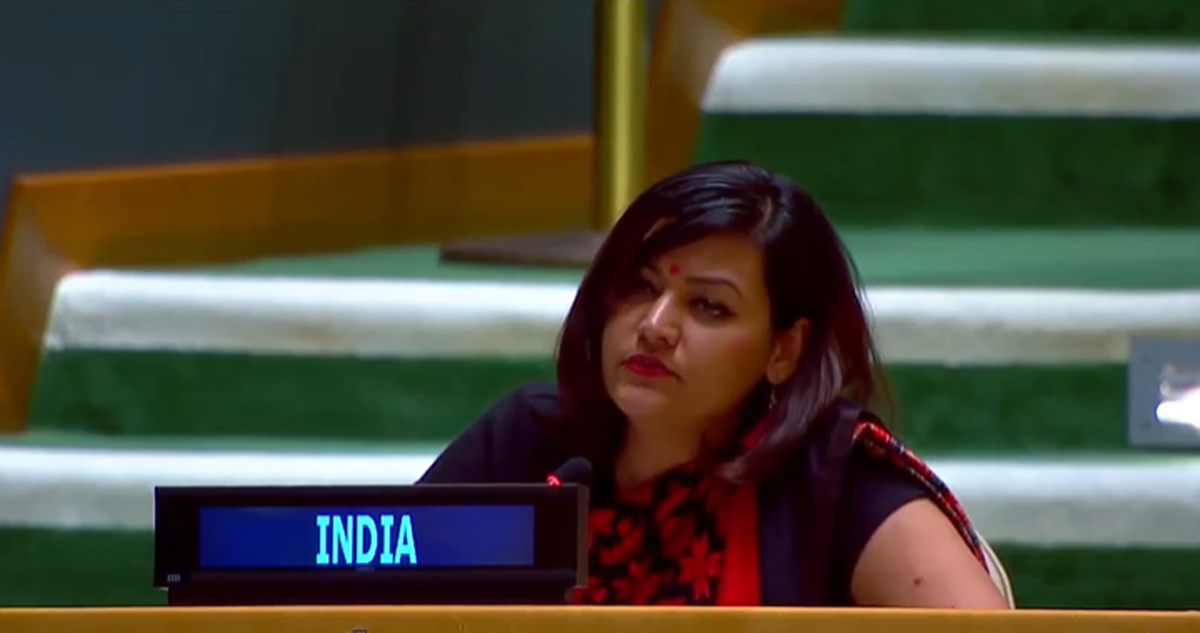
The remarks arose from First Secretary in India’s Permanent Mission to the UN, Petal Gahlot, after Pakistan Prime Minister Shehbaz Sharif praised former US President Donald Trump for his efforts in averting conflict between the two nuclear-armed nations. During the General Debate of the 80th session of the UN General Assembly (UNGA), Sharif claimed that Trump’s mediation contributed to peace.
“This Assembly witnessed absurd theatrics in the morning from the prime minister of Pakistan, who once again glorified terrorism that is central to their foreign policy,” Gahlot stated, conveying India’s Right of Reply at the UNGA. She challenged the assertions made by Sharif regarding the status quo in Kashmir and other dispute situations.
Sharif’s address included acute criticism of India’s position on Kashmir and expressed Pakistan’s willingness for a composite, comprehensive, and result-oriented dialogue with India. He also made headlines by nominating Trump for the Nobel Peace Prize, asserting, “In recognition of President Trump’s wonderful and outstanding contribution to promote peace in our part of the world, this is the least we could do.”
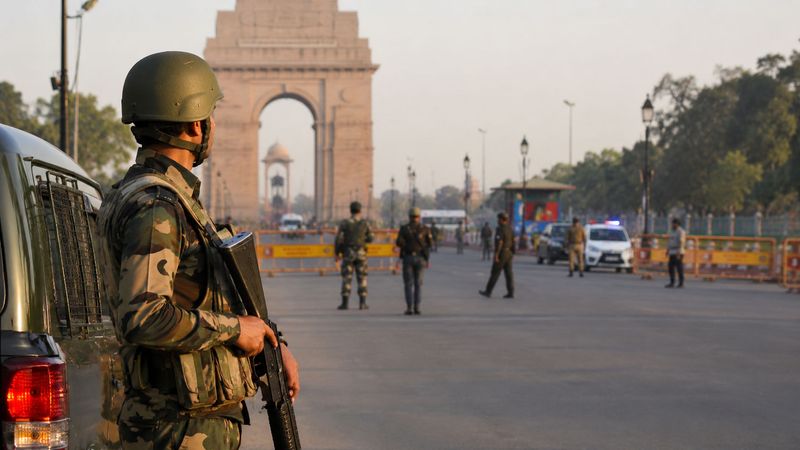
Operation Sindoor commenced on May 7 as an urgent response to the terror attack in Pahalgam on April 22, which claimed the lives of 26 civilians. This military operation primarily targeted terrorist infrastructure within Pakistan and Pakistan-occupied Kashmir.
India has consistently maintained that the understanding regarding a cessation of hostilities came as a result of strategic discussions between the Directors General of Military Operations from both nations. This highlights an underlying tension as diplomacy continues amid calls for resolving longstanding issues.
As the international community observes closely, the ongoing exchange of accusations between the two countries indicates the fragile nature of peace in South Asia. Both nations hold powerful narratives that reflect their stances on regional security and diplomatic negotiations.
With increasing calls for dialogue from Pakistan, it remains crucial to assess the impact of these discussions on regional stability. Analysts suggest that genuine efforts toward diplomacy must occur to avoid further escalations.
In conclusion, while Pakistan expresses its desire for dialogue, India firmly reiterates its position against sensationalism and insists on combating terrorism as a core element of its foreign policy.