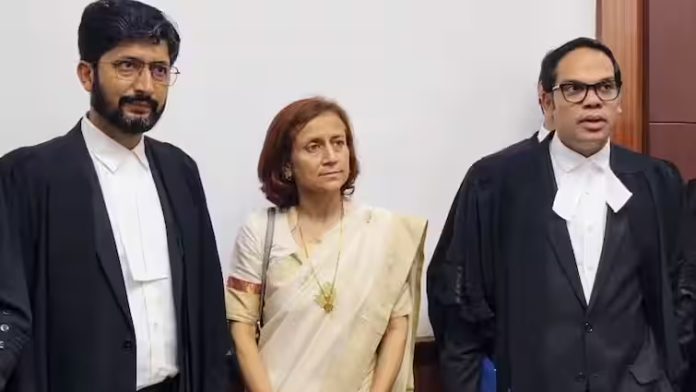


Geetanjali Angmo, the wife of celebrated climate activist Sonam Wangchuk, visited him at Jodhpur Central Jail on Tuesday. Wangchuk remains in custody following his arrest linked to the September 24 Leh violence.
Accompanied by lawyer Ritam Khare, Angmo’s visit sheds light on the ongoing legal battles surrounding her husband. In a recent post on X, she confirmed that Wangchuk’s legal team has received his detention order, a document outlining the accusations against him and the invocation of the National Security Act (NSA).
Angmo highlighted the seriousness of the allegations, which have significant implications for Wangchuk’s future. The detention order includes critical details that may affect the upcoming legal proceedings.
On Saturday, Wangchuk’s brother, Tsetan Dorje, visited him in jail alongside another lawyer, Mustafa Haji. Following this meeting, Haji shared on X that Wangchuk is pushing for an independent judicial inquiry into the deaths of four individuals during the protest that sparked the violence in Leh.
“Wangchuk has made it clear that he is open to remaining incarcerated until the inquiry takes place,” Haji stated, emphasizing Wangchuk’s commitment to justice.
In a separate legal move, Angmo submitted a petition in the Supreme Court requesting her husband’s immediate release. The court plans to hear the plea on October 14, marking an important date for the family and supporters of Wangchuk.
Wangchuk, known for his fervent advocacy for environmental issues and social justice in Ladakh, faced detention under the NSA after protests escalated demanding statehood for Ladakh and its inclusion under the Sixth Schedule of the Indian Constitution. This constitutional provision is crucial for protecting the rights and culture of indigenous communities.
Initially detained in Delhi, Wangchuk was transferred to Jodhpur Central Jail on September 26. His ongoing detention reflects broader tensions in Ladakh, as local voices increasingly call for autonomy and recognition amidst various socio-political challenges.
Activists, peers, and supporters advocate for Wangchuk’s release, arguing that his contributions to climate action and community empowerment embody the spirit of Ladakh’s vibrant culture and the fight for sustainability. The outcome of his legal battles may significantly impact the region’s socio-environmental landscape and the ongoing dialogue about statehood and rights for its people.