

Congress Attacks Modi Over H-1B Visa Fees
On Saturday, Congress leaders launched a fierce critique of Prime Minister Narendra Modi, labeling him a “weak PM” after the U.S. government imposed a new annual fee of $100,000 on H-1B visas. This decision is significant as it directly affects highly skilled Indian workers, with 70% of H-1B holders being from India.
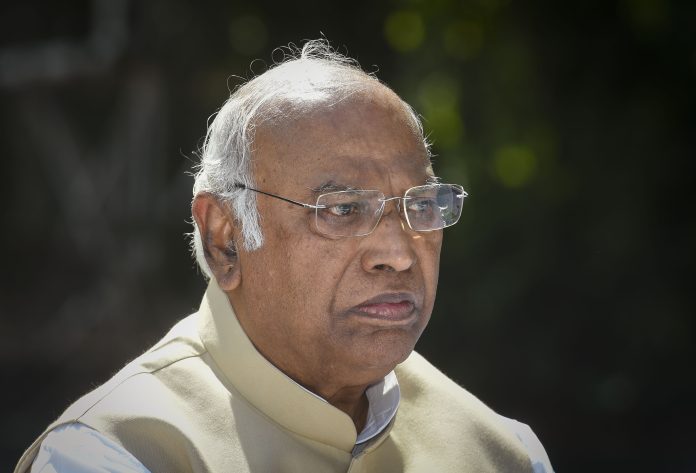
Congress president Mallikarjun Kharge stated that Modi’s approach to foreign policy—characterized by what he calls “strategic silence”—is detrimental to India’s national interests. This criticism follows the announcement made by U.S. President Trump.
Understanding the H-1B Visa Impact
The new fee on H-1B visas raises concerns about the future of Indian tech professionals in the U.S. Kharge emphasized that foreign policy should prioritize India’s interests over mere optics.
“Foreign policy is about safeguarding our national interests; keeping India First, and steering friendships with wisdom and balance,” he declared. The impact of the H-1B fee could lead to significant financial losses, estimated at Rs 2.17 Lakh crore across ten sectors due to the new tariffs.
Key Quotes from Congress Leaders
Rahul Gandhi, the Leader of Opposition in the Lok Sabha, reiterated the notion that India is suffering under Modi’s leadership, saying on X, “I repeat, India has a weak PM.” This echoes Kharge’s sentiment that superficial diplomacy won’t save the country from economic and strategic setbacks.
Gaurav Gogoi, Congress’s deputy leader, also expressed dismay over the visa fee increase. He recalled previous strong leadership, suggesting Modi’s lack of assertiveness poses a risk to India’s prominent position on the global stage.
Global Reactions to the H-1B Visa Changes
Trump’s administration framed the fee increase as part of a broader effort to prioritize American workers, claiming that the H-1B program has been misused. He stated that the program has led to a national security threat by allowing lower-paid, lower-skilled labor into the workforce, threatening jobs for American citizens.
According to statistics, the decision could drastically change how Indian workers approach U.S. job opportunities. Experts suggest that this policy could deter top talent from pursuing positions in the tech sector, ultimately impacting innovation.
The Stakes for Indian Interests
Congress leaders have been vocal in highlighting what they perceive as Modi’s failures in handling foreign relations. Kharge specifically criticized the lifting of exemptions for the Chabahar port, describing it as detrimental to India’s strategic interests. This port was expected to bolster India’s connectivity in the region.
Pawan Khera, another prominent party member, added a historical angle by recalling previous statements made by Rahul Gandhi back in 2017 regarding the H-1B visa issue, asserting that nothing has improved since then.
As the political climate evolves, the ramifications of these developments will likely continue to unfold, further igniting debates around India’s standing in the global community, especially in the technology sector. With Trump’s administration pursuing stringent immigration policies, India’s attention to protecting its national interests remains crucial.