21.3 C
Jammu
Friday, October 30, 2026

Omar Abdullah Critiques J&K Governance; Demands Statehood Timeline

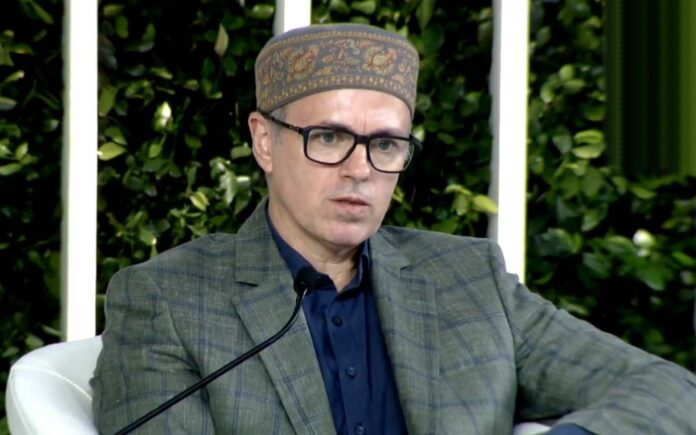
On Wednesday, Omar Abdullah, the Chief Minister of Jammu and Kashmir, criticized his governance role, describing it as one of “disempowerment”. He highlighted the “unique misfortune” of transitioning from leading one of India’s most empowered states to governing a Union Territory with significantly reduced powers. Abdullah made these remarks during an event organized by a national newspaper, where he addressed the administrative challenges in Jammu and Kashmir and urged a clearly defined timeline for the restoration of Statehood.

Abdullah expressed frustration over the term “Union Territory”, stating it is difficult to reconcile with the identity of Jammu and Kashmir. He lamented, “I hate being reminded that we are a Union Territory,” and noted that during his earlier tenure, officials rarely used the word “State”. In contrast, the UT status gets frequent emphasis now.

Power Struggle with LG Office

Abdullah pointed out the ongoing power struggles, especially with the office of the Lieutenant Governor, Manoj Sinha. He claimed Sinha holds authority traditionally associated with an elected government, including chairmanship of the Jammu and Kashmir Power Development Corporation. He questioned, “What business does someone responsible for security have holding a tourism meeting?” This statement reflects the perceived asymmetry in the distribution of administrative power.

Abdullah highlighted the problematic appointment of an IAS officer to a post reserved for the Jammu and Kashmir Administrative Services (JKAS), which he argues undermines the elected government’s authority over critical departments like the Information Department. He mentioned that key cabinet decisions, including modifications to reservation percentages, remain pending with the Lieutenant Governor, further asserting that the current governance structure creates an unequal balance between elected representatives and unelected officials.

Timeline for Statehood and Article 370

Speaking about the stalled restoration of Statehood, Abdullah reminded the Central government of the three-step process they had outlined: delimitation, elections, and restoration of Statehood. He said, “Two steps are complete. Why are we made to wait for the third?” Abdullah challenged the Centre to clarify what it means by an “appropriate time”, calling for a clear timeline so citizens understand the government’s intentions.

Abdullah believes that reverting to Article 370’s provisions will require a significant political shift at the Centre. He stated, “It’s pointless asking the people who took it away from us to give it back,” maintaining his commitment to special status without making unrealistic promises.

Concerns Over Radicalisation and Governance

The Chief Minister raised alarms over the rise of radicalization, attributing it partly to “hyper-nationalism” and collective punishment tactics following terror attacks. He cited recent demolitions of homes, stating, “You demolished 10 or 12 houses after the Pahalgam attack, only to find later that there was no Kashmiri involvement.” He expressed concern over the social ramifications, questioning the logic behind such punitive actions and reflecting on the broader repercussions of pushing communities to the margins.

Abdullah also addressed controversies surrounding sports teams and medical college admissions, where objections arose due to a majority of Muslim candidates. He remarked, “When you push an entire community to the margins, how can you expect no reaction?”

Reflections on National Politics and EVM Issues

He defended Congress leader Rahul Gandhi’s silence on the matter, urging him to focus on winning elections first. Abdullah stated, “In the present environment, he cannot win if he raises this issue,” indicating the evolving dynamics of Indian politics. Departing from his father Farooq Abdullah’s views, he dismissed allegations of EVM tampering, suggesting instead that political missteps should be acknowledged and corrected.

Addressing Economic, Environmental, and Tourism Challenges

Earlier during the event, Abdullah discussed environmental issues affecting Jammu and Kashmir, particularly pollution and water scarcity in Srinagar, attributing the city’s geography as a contributing factor to smog accumulation. He noted a common misconception that tourism is the primary economic driver in Jammu and Kashmir. He clarified that it ranks fourth in contributing to the Gross State Domestic Product, behind agriculture, horticulture, and industry.

Omar Abdullah’s candid critique of Jammu and Kashmir’s governance and his urgent call for a clear timeline for statehood restoration not only reflects his political stance but also resonates with a populace yearning for empowerment and autonomy.


Related Articles

- Advertisement -spot_img

Latest Articles

Omar Abdullah Critiques J&K Governance; Demands Statehood Timeline

On Wednesday, Omar Abdullah, the Chief Minister of Jammu and Kashmir, criticized his governance role, describing it as one of “disempowerment”. He highlighted the “unique misfortune” of transitioning from leading one of India’s most empowered states to governing a Union Territory with significantly reduced powers. Abdullah made these remarks during an event organized by a national newspaper, where he addressed the administrative challenges in Jammu and Kashmir and urged a clearly defined timeline for the restoration of Statehood.

Abdullah expressed frustration over the term “Union Territory”, stating it is difficult to reconcile with the identity of Jammu and Kashmir. He lamented, “I hate being reminded that we are a Union Territory,” and noted that during his earlier tenure, officials rarely used the word “State”. In contrast, the UT status gets frequent emphasis now.

Power Struggle with LG Office

Abdullah pointed out the ongoing power struggles, especially with the office of the Lieutenant Governor, Manoj Sinha. He claimed Sinha holds authority traditionally associated with an elected government, including chairmanship of the Jammu and Kashmir Power Development Corporation. He questioned, “What business does someone responsible for security have holding a tourism meeting?” This statement reflects the perceived asymmetry in the distribution of administrative power.

Abdullah highlighted the problematic appointment of an IAS officer to a post reserved for the Jammu and Kashmir Administrative Services (JKAS), which he argues undermines the elected government’s authority over critical departments like the Information Department. He mentioned that key cabinet decisions, including modifications to reservation percentages, remain pending with the Lieutenant Governor, further asserting that the current governance structure creates an unequal balance between elected representatives and unelected officials.

Timeline for Statehood and Article 370

Speaking about the stalled restoration of Statehood, Abdullah reminded the Central government of the three-step process they had outlined: delimitation, elections, and restoration of Statehood. He said, “Two steps are complete. Why are we made to wait for the third?” Abdullah challenged the Centre to clarify what it means by an “appropriate time”, calling for a clear timeline so citizens understand the government’s intentions.

Abdullah believes that reverting to Article 370’s provisions will require a significant political shift at the Centre. He stated, “It’s pointless asking the people who took it away from us to give it back,” maintaining his commitment to special status without making unrealistic promises.

Concerns Over Radicalisation and Governance

The Chief Minister raised alarms over the rise of radicalization, attributing it partly to “hyper-nationalism” and collective punishment tactics following terror attacks. He cited recent demolitions of homes, stating, “You demolished 10 or 12 houses after the Pahalgam attack, only to find later that there was no Kashmiri involvement.” He expressed concern over the social ramifications, questioning the logic behind such punitive actions and reflecting on the broader repercussions of pushing communities to the margins.

Abdullah also addressed controversies surrounding sports teams and medical college admissions, where objections arose due to a majority of Muslim candidates. He remarked, “When you push an entire community to the margins, how can you expect no reaction?”

Reflections on National Politics and EVM Issues

He defended Congress leader Rahul Gandhi’s silence on the matter, urging him to focus on winning elections first. Abdullah stated, “In the present environment, he cannot win if he raises this issue,” indicating the evolving dynamics of Indian politics. Departing from his father Farooq Abdullah’s views, he dismissed allegations of EVM tampering, suggesting instead that political missteps should be acknowledged and corrected.

Addressing Economic, Environmental, and Tourism Challenges

Earlier during the event, Abdullah discussed environmental issues affecting Jammu and Kashmir, particularly pollution and water scarcity in Srinagar, attributing the city’s geography as a contributing factor to smog accumulation. He noted a common misconception that tourism is the primary economic driver in Jammu and Kashmir. He clarified that it ranks fourth in contributing to the Gross State Domestic Product, behind agriculture, horticulture, and industry.

Omar Abdullah’s candid critique of Jammu and Kashmir’s governance and his urgent call for a clear timeline for statehood restoration not only reflects his political stance but also resonates with a populace yearning for empowerment and autonomy.

Related Articles

- Advertisement -spot_img

Latest Articles