
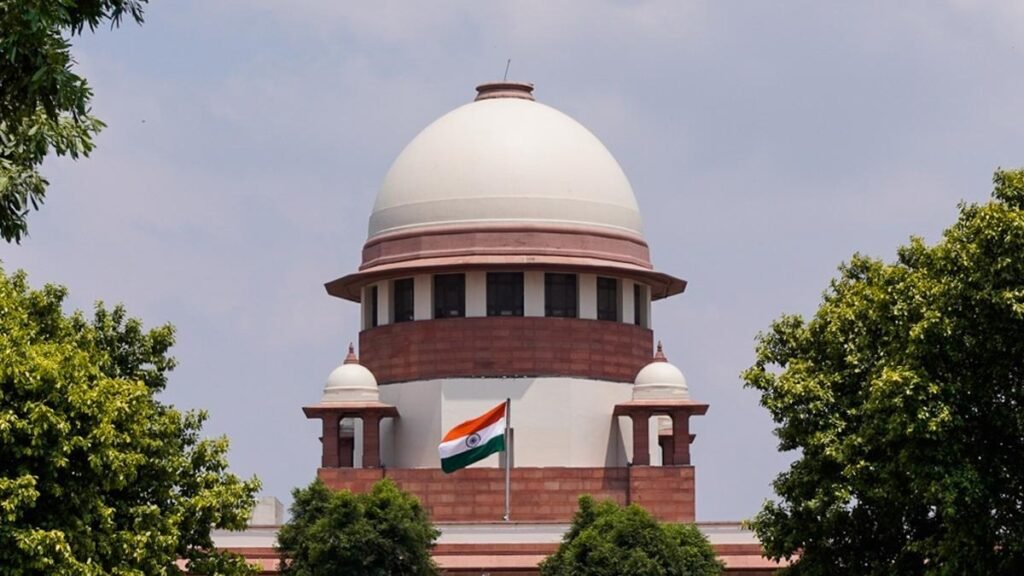
The Supreme Court of India took a significant step on Tuesday to address concerns over police conduct during the NEET protest, announcing the establishment of a high-powered committee. This committee will include retired judges and law enforcement officials to investigate the allegations of police excesses against student protesters in Delhi.
Chief Justice Surya Kant, along with Justices Joymalya Bagchi and V Mohana, stated that the official order to constitute the committee will be released on Wednesday. This announcement follows suggestions from various parties regarding additional members to include in the panel.
The committee’s mandate will include a thorough examination of video footage and CCTV recordings pertaining to the incident, notably during the violent clashes witnessed on July 20, when student protesters marched towards Parliament.
Moreover, the panel will scrutinize allegations made by female protesters, who reported targeted actions during the demonstration. This move aims to ensure a comprehensive investigation into the claims of police brutality and misconduct.
Solicitor General Tushar Mehta has been tasked with providing details of FIRs against student protesters, which the court indicated may be quashed. The court appears poised to utilize its plenary powers under Article 142 of the Constitution to facilitate justice.
The bench highlighted the importance of safeguarding students’ futures during the proceedings, stating, “It is the life of students which is at stake. They have a future ahead. They have the right to protest under Article 19.” This sentiment underscores the judiciary’s commitment to upholding fundamental rights.
Mehta reported that law enforcement had pinpointed over 2,800 individuals with prior criminal records as directly responsible for the unrest during protests. This raises questions about the clear demarcation between peaceful student activism and criminal conduct.
On August 3, the Supreme Court clarified its earlier orders regarding the term “criminal antecedents,” asserting that it pertains only to those engaged in serious criminal activities. This clarification emerged after the central government signaled its willingness to withdraw FIRs against students who participated in the NEET protests, provided they have no significant criminal history.
The court noted previously that police forces cannot justify acts of violence or ‘lathi charges’ merely due to student agitation, reaffirming that the right to peaceful protest is an “absolute guarantee” under Indian law.
The protests led by the Cockroach Janta Party on July 20 had resulted in intense confrontations between demonstrators and security forces, who responded with batons and tear gas to deter the crowds from approaching Parliament.
The formation of this high-powered committee reflects the judiciary’s dedication to addressing the public outcry over police overreach and ensuring accountability in law enforcement practices.