
21.3 C
Jammu
Friday, October 30, 2026

Sheikh Hasina on Return to Bangladesh: Democracy Must Prevail

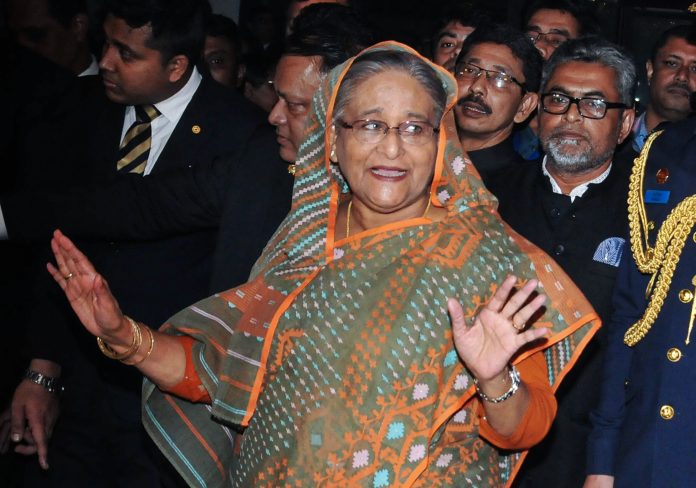
Former Bangladesh Prime Minister Sheikh Hasina stated she will only return to her home country after democracy is restored. During an exclusive interview with PTI from an undisclosed location in India, she highlighted the necessity for the re-establishment of ‘participatory democracy’, the lifting of the ban on her party, the Awami League, and the conduct of free, fair, and inclusive elections.

Hasina expressed her gratitude towards the Indian government for providing her refuge, saying, “I am immensely grateful to India’s government and its people for their kind hospitality.” The former leader remarked that her return hinges not only on her conditions but also on the will of the Bangladeshi people, emphasizing that they, too, demand a return to democratic practices.

During her term, Hasina emerged as Bangladesh’s longest-serving leader. However, she left the country on August 5, 2024, facing severe backlash over violent protests that led to her resignation. Acknowledging the gravity of the situation, she stated, “Obviously, we lost control of the situation, and that was regrettable,” but attributed the unrest to “seasoned political firebrands masquerading as student leaders.”

In addressing the upcoming elections, she refuted allegations that she advocated for a boycott. Hasina affirmed, “Any election excluding the Awami League would lack legitimacy,” asserting the importance of her party’s participation for a credible electoral process. With millions supporting her party, she stressed, “It would be a huge missed opportunity for a country that badly needs a government with genuine consent of the people.”

Hasina also strongly criticized the interim administration led by Dr. Muhammad Yunus, accusing him of undermining Bangladesh’s critical relationship with India. She said, “Yunus’ hostility to India is foolish and self-defeating,” referencing his chaotic leadership style as being reliant on extremist groups, a scenario she warned could damage diplomacy between the two nations.

Reassuring Indian citizens concerned about the political climate, Hasina declared, “The interim government doesn’t represent what our people think. India is and will remain our nation’s most important friend.”

In a surprising twist, she expressed her willingness to stand trial under international supervision, even at the International Criminal Court (ICC). She accused Yunus of shying away from such oversight, suggesting that it might reveal his failings. Hasina dismissed the Bangladesh International Crimes Tribunal’s moves against her as politically motivated attacks intended to eliminate her and her party from the political landscape.

“They want to eliminate us as political forces,” Hasina lamented, referencing the severe measures the Yunus government has employed. She characterized any steps taken by the interim administration as indicative of their scant respect for democracy or due process.

The global community’s perspective on the Yunus administration appears to be shifting. Hasina observed that initial Western support for Yunus dwindles as he aligns with radical factions and implements regressive policies that threaten democratic structures and minority rights.

As Bangladesh teeters on the edge of political crisis, Hasina’s situation highlights the pressing need for dialogue and democratization. The path to stability remains complex, but she firmly believes that true governance rests in the hands of the people.


Related Articles

- Advertisement -spot_img

Latest Articles

Sheikh Hasina on Return to Bangladesh: Democracy Must Prevail

Former Bangladesh Prime Minister Sheikh Hasina stated she will only return to her home country after democracy is restored. During an exclusive interview with PTI from an undisclosed location in India, she highlighted the necessity for the re-establishment of ‘participatory democracy’, the lifting of the ban on her party, the Awami League, and the conduct of free, fair, and inclusive elections.

Hasina expressed her gratitude towards the Indian government for providing her refuge, saying, “I am immensely grateful to India’s government and its people for their kind hospitality.” The former leader remarked that her return hinges not only on her conditions but also on the will of the Bangladeshi people, emphasizing that they, too, demand a return to democratic practices.

During her term, Hasina emerged as Bangladesh’s longest-serving leader. However, she left the country on August 5, 2024, facing severe backlash over violent protests that led to her resignation. Acknowledging the gravity of the situation, she stated, “Obviously, we lost control of the situation, and that was regrettable,” but attributed the unrest to “seasoned political firebrands masquerading as student leaders.”

In addressing the upcoming elections, she refuted allegations that she advocated for a boycott. Hasina affirmed, “Any election excluding the Awami League would lack legitimacy,” asserting the importance of her party’s participation for a credible electoral process. With millions supporting her party, she stressed, “It would be a huge missed opportunity for a country that badly needs a government with genuine consent of the people.”

Hasina also strongly criticized the interim administration led by Dr. Muhammad Yunus, accusing him of undermining Bangladesh’s critical relationship with India. She said, “Yunus’ hostility to India is foolish and self-defeating,” referencing his chaotic leadership style as being reliant on extremist groups, a scenario she warned could damage diplomacy between the two nations.

Reassuring Indian citizens concerned about the political climate, Hasina declared, “The interim government doesn’t represent what our people think. India is and will remain our nation’s most important friend.”

In a surprising twist, she expressed her willingness to stand trial under international supervision, even at the International Criminal Court (ICC). She accused Yunus of shying away from such oversight, suggesting that it might reveal his failings. Hasina dismissed the Bangladesh International Crimes Tribunal’s moves against her as politically motivated attacks intended to eliminate her and her party from the political landscape.

“They want to eliminate us as political forces,” Hasina lamented, referencing the severe measures the Yunus government has employed. She characterized any steps taken by the interim administration as indicative of their scant respect for democracy or due process.

The global community’s perspective on the Yunus administration appears to be shifting. Hasina observed that initial Western support for Yunus dwindles as he aligns with radical factions and implements regressive policies that threaten democratic structures and minority rights.

As Bangladesh teeters on the edge of political crisis, Hasina’s situation highlights the pressing need for dialogue and democratization. The path to stability remains complex, but she firmly believes that true governance rests in the hands of the people.

Related Articles

- Advertisement -spot_img

Latest Articles