
21.3 C
Jammu
Friday, October 30, 2026

Supreme Court Adjourns Sambhal Mosque Survey Hearing

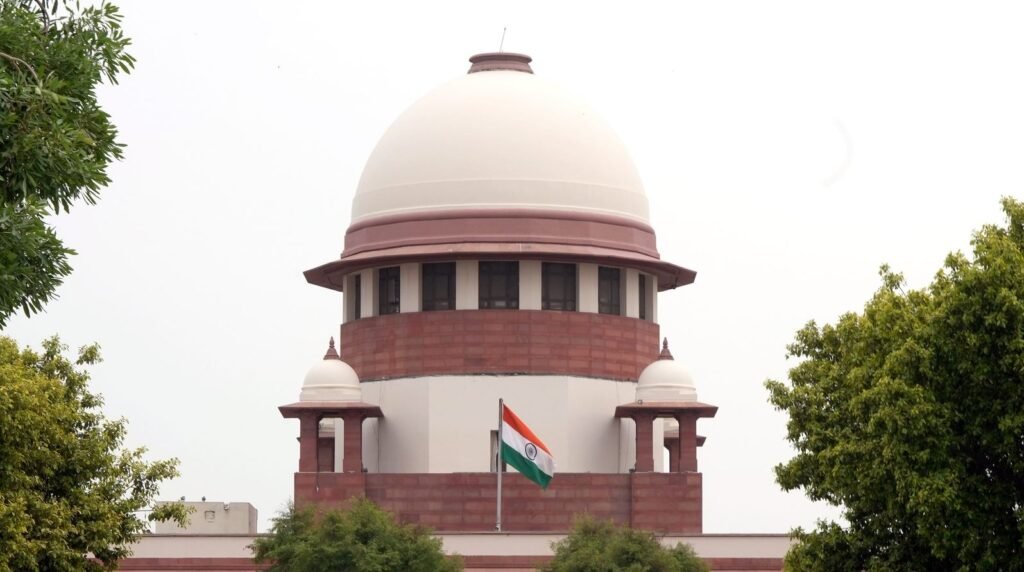
The Supreme Court of India on Tuesday adjourned the hearing on pleas related to the controversial survey of the Sambhal mosque, a move resulting from ongoing legal disputes surrounding its religious significance. The court will reconvene on August 18, 2025, to deliberate on the matter further.

A bench comprising Justices P S Narasimha and Alok Aradhe postponed the hearing after receiving a letter requesting an adjournment. The case involves the committee of management of Sambhal’s Jama Masjid, which challenges a May 19 order from the Allahabad High Court regarding the survey.

During previous hearings, the apex court noted that the Allahabad High Court had overstepped its authority by proceeding with the survey, contradicting its own order from December 2024. This crucial 2024 ruling prevented lower courts from hearing new cases or issuing interim orders concerning the recovery of religious sites.

The Supreme Court’s earlier directive aimed to preserve the legal status of religious locations, particularly mosques and dargahs, while grappling with provisions of the Places of Worship Act, 1991. This act aims to maintain the religious identity of places of worship as they stood on August 15, 1947, but explicitly excludes the Ram Janmabhoomi-Babri Masjid dispute.

The contention revolves around a decision by the Allahabad High Court that dismissed the mosque committee’s appeal against the survey ordered by a lower catholic judge’s decision in November 2024. This ruling reaffirmed the earlier civil court’s authority to commission the survey.

In response, the mosque committee argues against this survey, asserting the civil court had not mandated it and questioning the legality of a second survey conducted shortly thereafter.

The Supreme Court had agreed to address the mosque committee’s plea following its own October 2024 order, which required all parties to maintain the status quo. The committee contends that the mosque, originally constructed in 1526, replaced the historic Harihar temple, which the Mughal emperor Babur purportedly demolished.

As the issue escalates, heightened public and legal scrutiny surrounds the handling of religious sites in India, exemplified by the Supreme Court’s directive on November 29, 2024, instructing the Sambhal court to refrain from proceeding with its survey. The apex court also urged the Uttar Pradesh government to uphold peace and communal harmony in the region.

This ongoing case represents a broader context of religious sensitivity in India, with implications that could extend beyond the specific dispute in Sambhal.


Related Articles

- Advertisement -spot_img

Latest Articles

Supreme Court Adjourns Sambhal Mosque Survey Hearing

The Supreme Court of India on Tuesday adjourned the hearing on pleas related to the controversial survey of the Sambhal mosque, a move resulting from ongoing legal disputes surrounding its religious significance. The court will reconvene on August 18, 2025, to deliberate on the matter further.

A bench comprising Justices P S Narasimha and Alok Aradhe postponed the hearing after receiving a letter requesting an adjournment. The case involves the committee of management of Sambhal’s Jama Masjid, which challenges a May 19 order from the Allahabad High Court regarding the survey.

During previous hearings, the apex court noted that the Allahabad High Court had overstepped its authority by proceeding with the survey, contradicting its own order from December 2024. This crucial 2024 ruling prevented lower courts from hearing new cases or issuing interim orders concerning the recovery of religious sites.

The Supreme Court’s earlier directive aimed to preserve the legal status of religious locations, particularly mosques and dargahs, while grappling with provisions of the Places of Worship Act, 1991. This act aims to maintain the religious identity of places of worship as they stood on August 15, 1947, but explicitly excludes the Ram Janmabhoomi-Babri Masjid dispute.

The contention revolves around a decision by the Allahabad High Court that dismissed the mosque committee’s appeal against the survey ordered by a lower catholic judge’s decision in November 2024. This ruling reaffirmed the earlier civil court’s authority to commission the survey.

In response, the mosque committee argues against this survey, asserting the civil court had not mandated it and questioning the legality of a second survey conducted shortly thereafter.

The Supreme Court had agreed to address the mosque committee’s plea following its own October 2024 order, which required all parties to maintain the status quo. The committee contends that the mosque, originally constructed in 1526, replaced the historic Harihar temple, which the Mughal emperor Babur purportedly demolished.

As the issue escalates, heightened public and legal scrutiny surrounds the handling of religious sites in India, exemplified by the Supreme Court’s directive on November 29, 2024, instructing the Sambhal court to refrain from proceeding with its survey. The apex court also urged the Uttar Pradesh government to uphold peace and communal harmony in the region.

This ongoing case represents a broader context of religious sensitivity in India, with implications that could extend beyond the specific dispute in Sambhal.

Related Articles

- Advertisement -spot_img

Latest Articles